Threads to Algorithms
by Olimpia Bellan
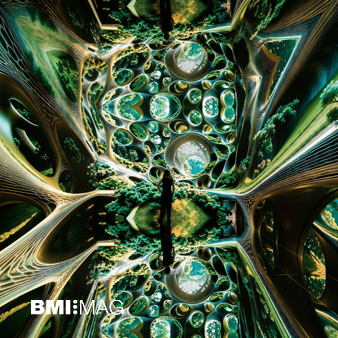
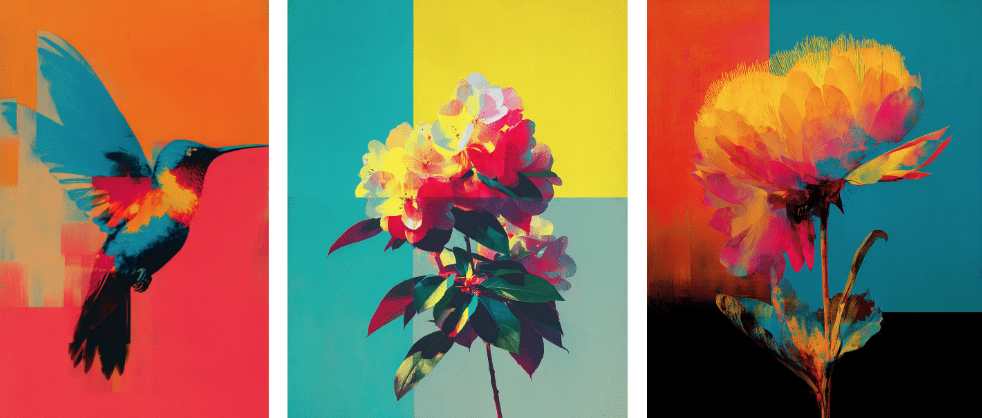
Ruth O’Leary began her artistic journey as a master of embroidery creating intricate compositions, translating delicate threads into detailed, evocative images. Today, she navigates the digital frontier with generative AI, producing experimental, colourful, and atmospheric imagery that often feels surreal and immersive. Her work bridges the tactile past and the technological present, exploring worlds shaped by imagination, emotion, and creative curiosity.
You started as an embroidery artist, working with centuries-old techniques, and now create experimental AI-generated imagery. How did you move from such a tactile, traditional discipline into this cutting-edge digital space?
While I’m now lucky enough to work as an artist full time, my background is in IT and information management. During my career in industry, I was involved in projects incorporating machine learning, and I’m interested in the field and follow its developments. Then, my textile art was something I did in my free time. I’ve always stitched my own designs, though I have no formal training as an artist. When I first heard about the launch of DALL-E, my first thought was how I could use it, and then later Midjourney, to provide reference material for my embroidery designs. Once I started using generative AI, however, and began appreciating its power and potential, I started working with it purely for its own sake, although I do still use it as a design aid for my embroidery too.
Your AI images are colourful, atmospheric, and dream-like. When you start a new piece, what ideas or moods guide your creative process?
It varies. Sometimes I have a specific idea in mind and work to try and bring out what I’ve imagined, sometimes I start with a word or a short phrase and see where it leads, sometimes I just play around with it and see what happens! Often, it’s a combination: I have an idea I want to work with, but the direction it takes develops as I explore. It doesn’t always work out, but the process itself is worthwhile, and when it does work the results can be wonderful.
Colour and composition play a huge role in your work. How do you choose which palettes, forms, or textures to explore, and how do they shape the overall feeling of an image?
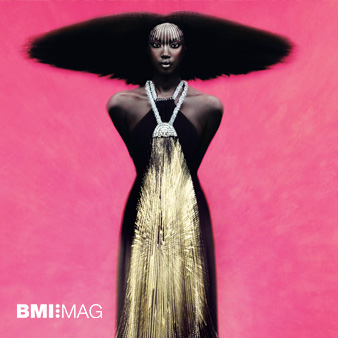
I tend to use quite a limited colour palette – they are quite simply the colours I like, and which I always return to. I also aim for balanced compositions; I prefer calmness and order rather than chaos. I suppose as my work is an expression of myself, using generative AI as a tool, my own preferences will always show through.
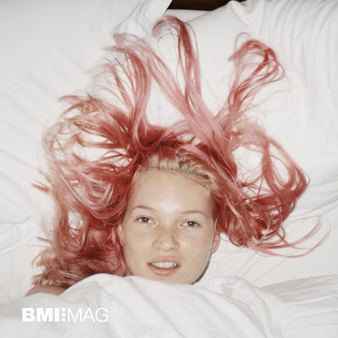
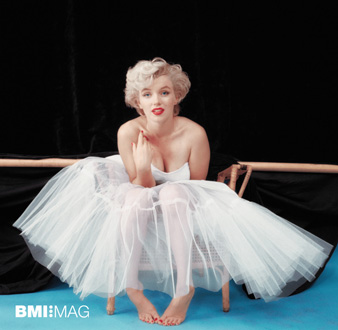
Many of your AI portraits depict female faces with vibrant colour and surreal effects, yet they often retain something familiar and evocative from the past. What is it about these human forms that draws you in, and how do you think AI helps you explore that blend of historical reference and innovation?
Humans will always gravitate towards other humans, it’s in our nature. Whatever new tools and techniques are developed, that’s always where we end up: new ways to tell old stories. AI tools can help me distil endless variation into the forms I want to explore.
In your AI art, there’s a strong sense of exploration and wonder. What do you hope viewers experience when engaging with these experimental, immersive digital worlds?
I hope they find them beautiful, and I hope they don’t even consider how they were created. The tools I use are simply a means to an end, and it’s that end, the art itself that’s important.
@rostara.digital | rostara.co.uk
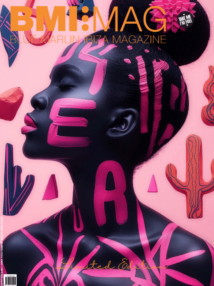
Read Ruth O’Leary interview on BMI:MAG limited edition, find your copy at @bluemarlinibiza and throughout Ibiza’s hotspots.