From Gospel to Grime
by Alessia Bellan
The music we listen to today – the sort that moves and inspires us – is rooted in from a solid Black matrix. In London, an exhibition entitled “The Music is Black: A British Story” highlights not only the sounds but also a cultural language that shapes styles, aesthetic influences and drives social movements.
From the spiritual power of gospel music to the jazz revolution, soul, hip-hop, house and afrobeats, Black music has always been a driving force. It has given shape to new genres and moulded imaginations, becoming the soundtrack for profound social transformations. Many of the most popular genres are rooted in the community that has used music to affirm its identity, fight back against injustice and create free spaces. The history of Black music is studded with figures who have become global symbols, voices like Nina Simone, who transformed jazz into a political manifesto, or Bob Marley, who took reggae from the streets of Kingston, Jamaica, to the international stage. The Music is Black: A British Story investigates one of its most substantial cultural attributes – a large part of the contemporary scene was inspired by the creativity of the Black community. If New York and Kingston were the trailblazers, the British capital is now one of the main centres of innovation for Black music. Here, the dialogue between the Caribbean, African and British communities has generated a fertile ecosystem where jungle, garage, dub, drum & bass and grime were born and matured, with every genre influencing the others. The city acts as a filter and amplifier, every new rhythm immediately finds an audience, a club, an independent radio, a collective ready to transform it. The London exhibition presents a story that embraces a century of creativity, interweaving sounds and history through more than 200 objects, from the piano played by Winifred Atwell, the first black artist to reach the number one spot in the UK Singles Chart in the 1950s to the Super Nintendo with which Jme experimented with sounds in the 1990s before starting up the Boy Better Know grime collective, to the childhood guitar that set Joan Armatrading off on a career that would redefine the British singer-songwriter.
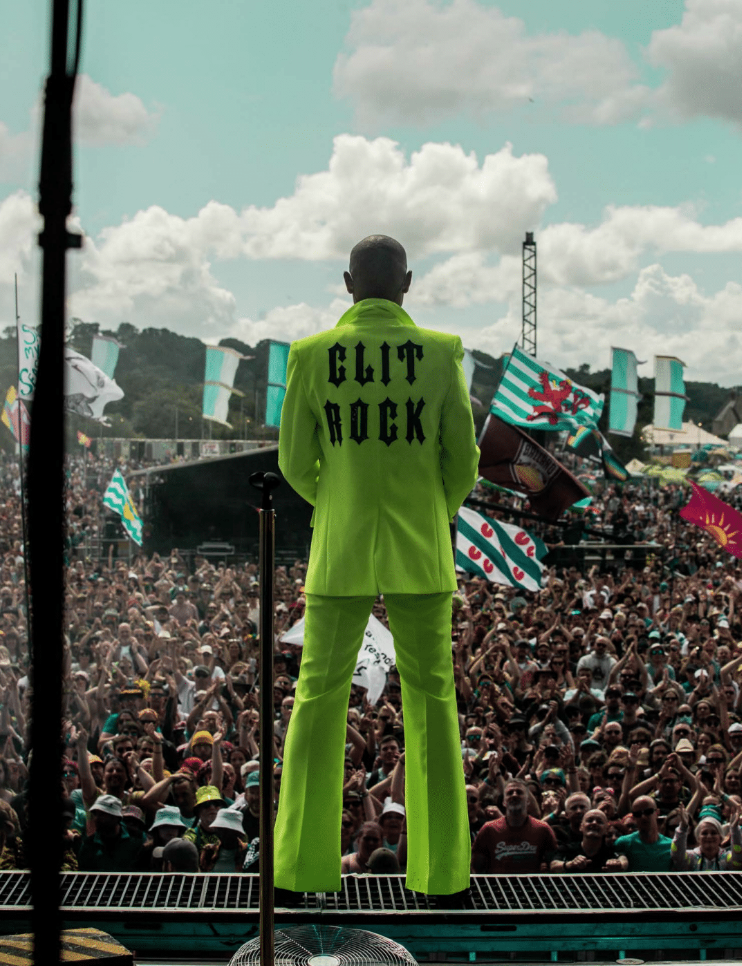
Not forgetting the stage costumes that marked iconic moments, like the dress Dame Shirley Bassey wore when she sang “Goldfinger” at the 2013 Oscar ceremony, the Comme des Garçons costume worn by Little Simz for Dazed and the provocative green outfit and spiked headpiece sported by Skin, the first black woman to headline Glastonbury, in 1999. Because discussing Black music means talking about style, from soul to dancehall outfits, the sartorial cool of jazz dress to Afrofuturist visions – Black fashion has shaped aesthetic codes around the world, a link that today is stronger than ever. Simply imagine the visual impact of Beyoncé or Kendrick Lamar, who transform every appearance into a 360° cultural declaration.
In this context, The Music is Black, a journey through 125 years of Britain’s Black music and culture, joins the dialogue around creative paternity and the need to recognise its contribution to the culture. It offers an invitation to look beyond the playlists and charts and recognise how it has transformed our everyday life, from the way we dress to how we express ourselves.
‘The Music is Black: A British Story’ will be at the V&A East Museum in London until 3rd January 2027
IMAGE CREDITS
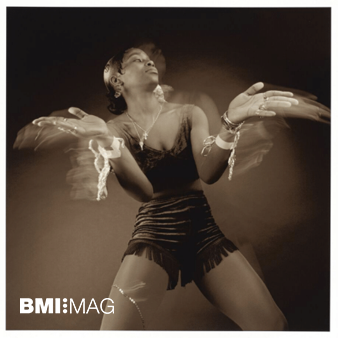
Jennie Baptiste, Sepia Butterfly, London, 1993 © Photo by Jennie Baptiste
Daniel Newman, Skin performing in Clit Rock suit made by Daniel Pollitt at Glastonbury, 2022
© Photo by Daniel Newman